WHO World Hearing Forum · Changemakers 2026

Newborn hearing screening on a smartphone

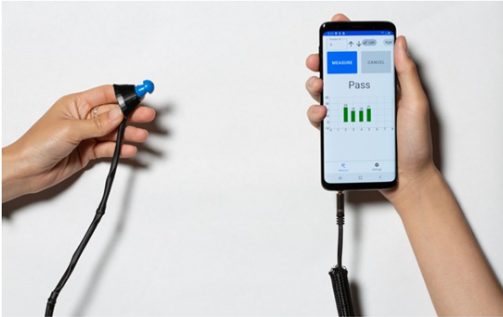
Otobuds runs the same hearing test (OAE) used by hospital screening programs, on an ordinary phone with a low-cost probe, so nurses and community health workers can screen babies.

Partner with us

University of Washington · Seattle Children's · University of Nairobi / Kenyatta National Hospital

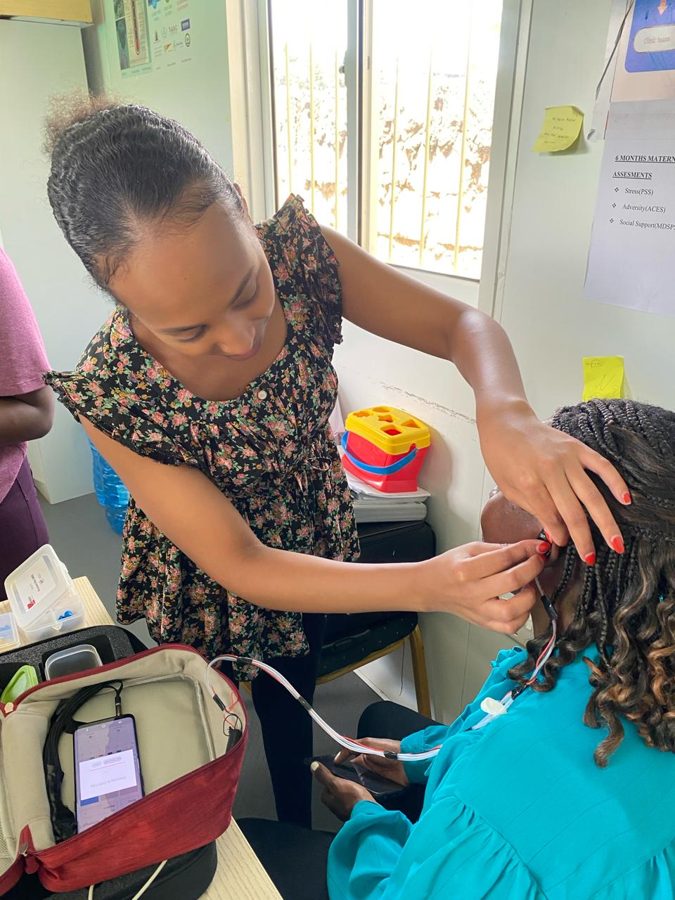
A young child having a hearing screen in KenyaScreening in Kenya
The problem

Hearing loss is found years too late

34M
children worldwide live with disabling hearing loss
~80%
of people of all ages with disabling hearing loss live in low- and middle-income countries
5.5 yrs
average age of diagnosis in Kenya, against a 6-month intervention window
$1.6–10K+
cost of a conventional screener

Children identified and supported by 6 months can develop language on pace with their hearing peers.

WHO Deafness and hearing loss fact sheet; Ndegwa et al. 2024.

Families' voices

What late detection means for a family

"Just a quiet baby"
A family in Kenya

Her parents saw a calm, peaceful baby, until she did not react to the sound of a loud power saw nearby. Visits to a pediatrician, an ENT specialist and a hearing organization followed, and she was diagnosed with profound hearing loss.

Read the full story on CIICA →
Three years of check-ups
A family in Kenya

After a difficult birth and time in neonatal intensive care, she had three years of routine check-ups that never picked up her hearing. She was diagnosed with profound hearing loss at age four, and her family says screening should have happened much earlier.

Read the full story on CIICA →
From one family to many
A family in Kenya

With few options at home, a family travelled abroad for their son's care and drove hours every week for therapy. Today he thrives in a mainstream school, and his father has helped start an early hearing detection programme in Kenya.

Read the full story on CIICA →

Stories summarized with permission from the Parents' Voices in LMIC collection of the Cochlear Implant International Community of Action (CIICA). These families have no involvement with Otobuds.

The solution

How Otobuds works

Otobuds probe connected to a smartphone app
1

Probe in the ear

A low-cost probe; no sedation, works while the baby sleeps.

2

Phone listens

The app plays quiet tones and records the inner ear's natural echo.

3

Pass / Refer

A clear result on screen in about two minutes.

4

Result logged

For referral into diagnosis and care.

The evidence

Validated against hospital-grade screeners

100%
sensitivity, 88% specificity, infants under 6 months
Pediatrics, 2025
100%
sensitivity, 88.9% specificity, all ages, 201 ears
Nature Biomedical Engineering, 2022
87%
agreement: device vs conventional OAE
NIH R21, Kenya

Agreement by operator (R21)

Nurses vs audiologists · 87%
Health workers vs audiologists · 78%

Now underway: NIH R33 scale-up study in Kenya.

Why now

The building blocks for screening are in place

A national commitment

Kenya's ear & hearing care plan 2023–2028 includes early identification of hearing loss in children.

Visits families already make

About 9 in 10 Kenyan infants receive their first routine vaccine dose, given at 6 weeks, so immunization visits are a natural moment to screen.

WHO/UNICEF estimates of national immunization coverage, Kenya, 2025 (DTP1: 91%).

Technology in every pocket

Smartphones are now common across low- and middle-income countries, and the WHO encourages task-sharing and technology-based screening to close workforce gaps.

Beyond screening

Every screen must lead to care

ScreenOtobuds at maternal & child health visits
ReferResult logged
DiagnoseAudiology / ABR
Hearing technologyHearing aids, implants
HabilitationTherapy, sign language & family support
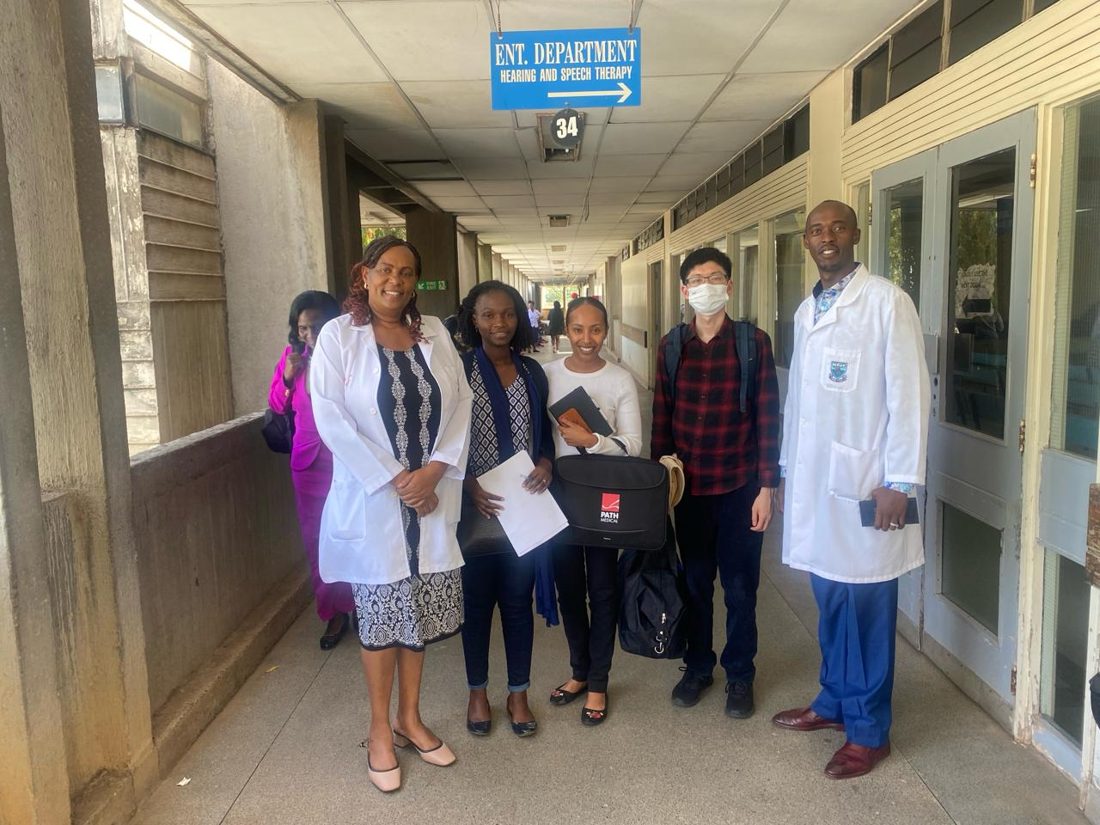
The Otobuds team with partners in Kenya

We will deploy only where a care pathway exists, with clinicians and partners, and are designing for integration with national health information systems. High-risk infants are referred for AABR.

WHO H.E.A.R.I.N.G. packageKenya ear & hearing care plan 2023–2028Universal Health Coverage
Where we are

From research to routine care

Done

Validated

Peer-reviewed studies in the US and Kenya, including use by nurses and community health workers.

Under way

Scale-up study

An NIH R33 scale-up study is under way in Kenya.

Next

Partner pilots

Pilots with ministries of health and NGOs that include the full care pathway.

Goal

Routine screening

Every newborn screened, wherever they are born.

Research

Publications

FAQ

Common questions

Is Otobuds a diagnostic test?

No. It is a screening test. A "refer" result means a baby should be seen for a full diagnostic hearing assessment, not that the baby has hearing loss.

Who can use it?

It is designed for nurses and community health workers after short training, so screening can happen at routine maternal and child health visits rather than only in specialist clinics.

What equipment does it need?

A standard Android smartphone, the Otobuds app and a small, low-cost probe with sized ear tips. No sedation is needed and the test works while the baby sleeps.

Is it available for clinical use today?

Not yet. Otobuds is currently used in research studies alongside conventional screeners while the team works toward the approvals needed for routine use.

Where is it being used?

In research studies in the United States and Kenya.

What happens after a "refer" result?

We will deploy only where a care pathway exists, with clinicians and partners, so referred babies can reach diagnosis, hearing technology and therapy. High-risk infants are referred for AABR.
Work with us

Help every child hear from the start

1

Ministries & NGOs

Co-design pilots that include the full care pathway, from screening to therapy.

2

Funders & foundations

Support reliable device manufacturing and software for scale.

3

Clinicians & researchers

Join studies, share referral and follow-up expertise, and help shape training.

4

Industry & technical partners

Collaborate on phone and earbud hardware, digital health tools and training resources.

Stay in touch

Tell us who you are and how you'd like to work with us. We'll use your details only to follow up about Otobuds and won't share them.

Form not loading? Open it in a new tab.